Hi Dear parents,
We are two foreign students who appreciate the opportunities America has given us and want to give back through improving education.

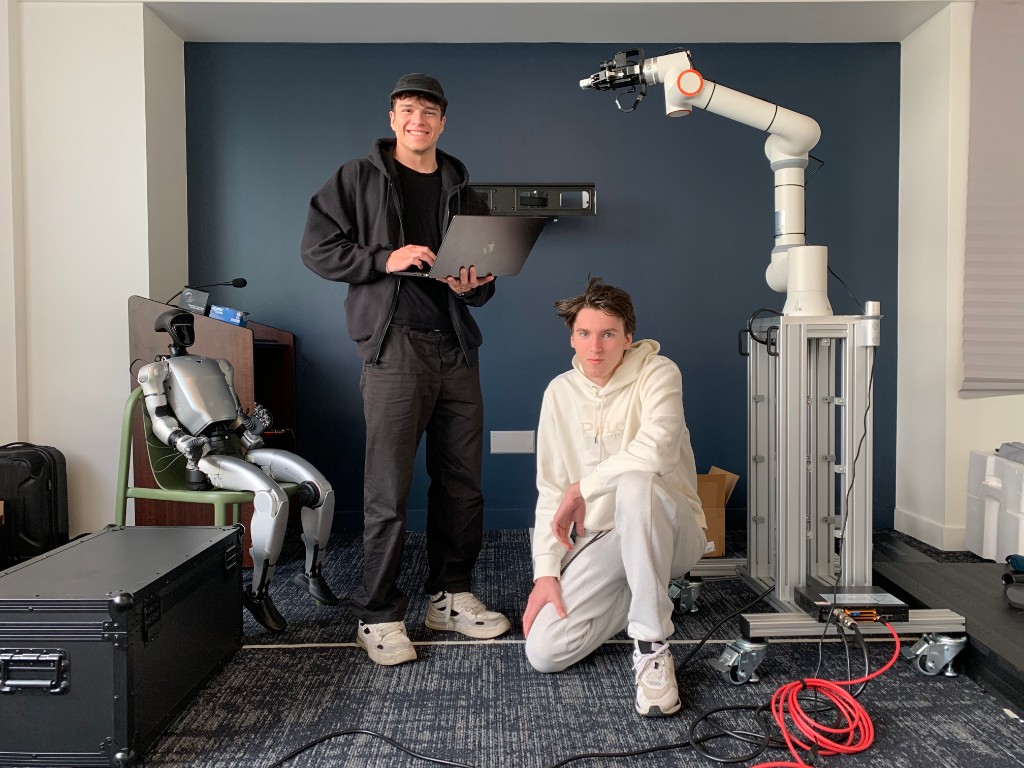
almar.
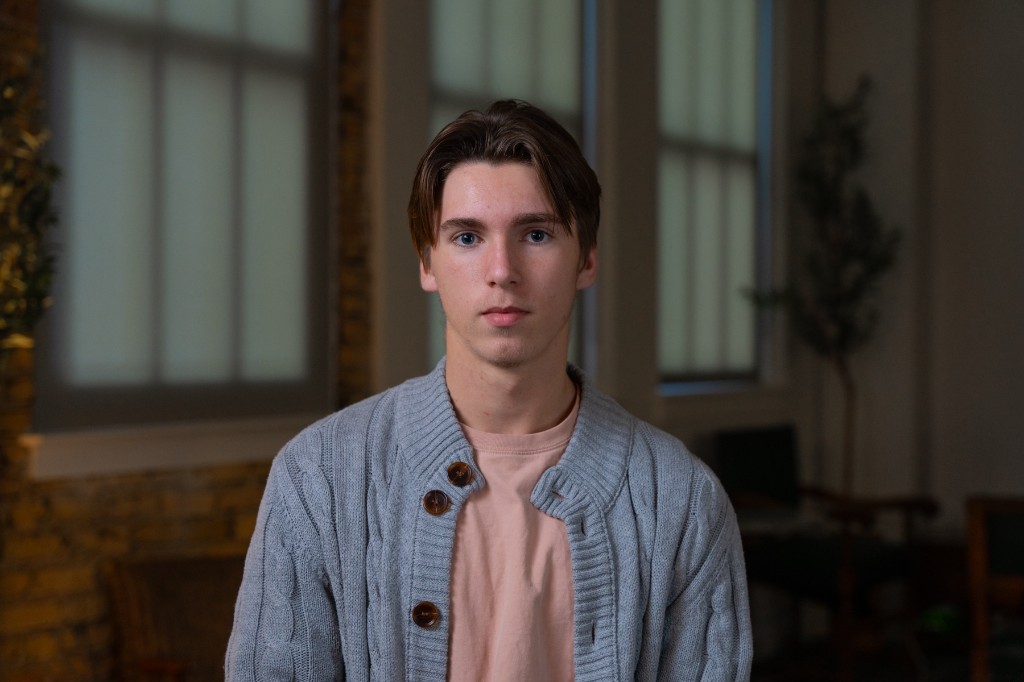
The more I relied on AI, the less I practiced deep thinking on my own.
Almar grew up at The Oaks, a rigorous Classical Christian school, where he earned a perfect 4.0 GPA and taught violin to younger students, his first real taste of entrepreneurship. Before leaving for college, he performed a John Williams “Fiddler on the Roof” solo in the school musical.
At the University of Austin he joined Alpha School as an intern and discovered that mastery-based learning and a careful use of AI could help students master a full year of material in two focused hours a day. He worked on university acquisitions, watched AI transform education in real time, and felt both its potential and its quiet danger. The more he relied on AI, the less he practiced deep thinking on his own.
max.

students are often capable of much more than the system expects from them.
Max moved to the U.S. from Belarus a few years ago and joined Almar at UATX and Alpha School. Even before America, he already felt something strange about school. In 9th grade, he finished a year of math and physics in around three months. Instead of curiosity, teachers mostly reacted with skepticism. It stayed in his head for years, because it showed him that students are often capable of much more than the system expects from them.
Reading and writing were already becoming a huge part of his identity. He wrote his first book at 13, and between 14 and 16 spent much of his time writing poetry while reading classical literature simply as a hobby. Long before Reading Rooms existed, books, essays, philosophy, and literature were already shaping the way he thought about people and the world. Reading didn’t just help academically, it formed his character.
When he came to the U.S., he saw a different version of the problem. Students were surrounded by technology, but many struggled to engage with difficult ideas. A lot of school had become optimization: multiple-choice tests, shortcuts, pure memorization.
What's Next?
AI was getting better at doing the surface-level work for us. Writing rough drafts. Summarizing books. Answering questions instantly. That changed the value of human skills completely.

The students who stand out in the future probably won’t be the ones who memorize the most. They’ll be the people who can communicate clearly, defend their ideas, connect different fields together, and make good judgments even when technology gives them instant answers. The more powerful technology becomes in decision-making, the more important human judgment becomes.
Literacy is no longer just an English-class skill. It is becoming one of the foundations of almost every serious profession.
Together, we realized something important: when AI can do the basic work, the people who stand out will be the ones who think outside of the box.

Alpha inspired our vision and was our partner in building it. Many of the educators who shaped Reading Rooms came directly from the Alpha community. We are deeply thankful for that support, but we also felt something was missing in modern education: the timeless power of great books and the accessibility of the tools for students.
How Reading Rooms was born.

We spent five intense months building the platform together. Then we split roles, Almar focused on talking to parents and marketing, while Max pushed development forward.
One month ago we welcomed our very first user. Families slowly started joining. Two weeks ago we launched our weekly newsletter, “A Work a Week,” where we walk mothers through one important work of literature or history each week and give practical ways to teach it at home.
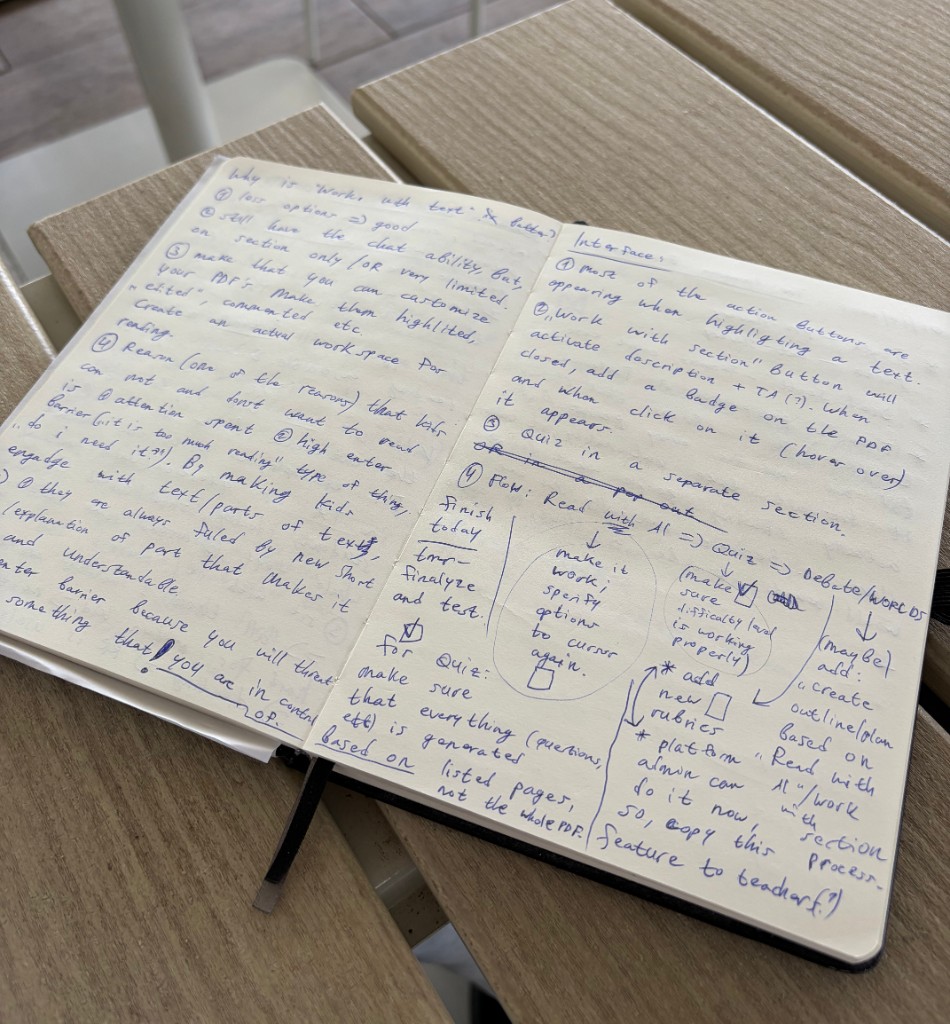
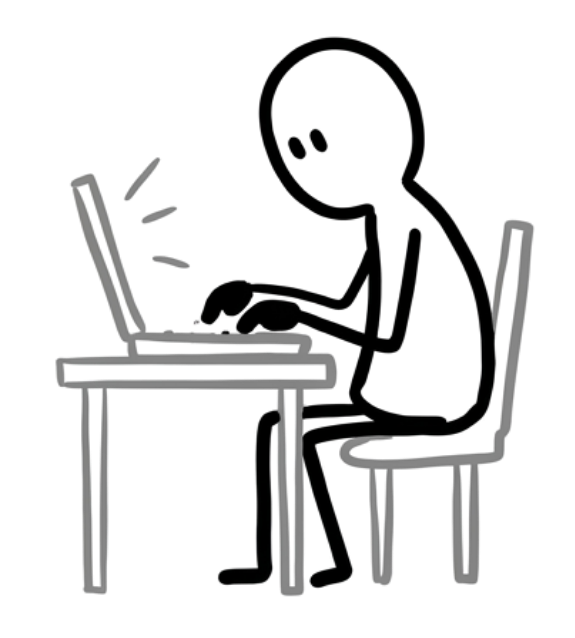
After countless late nights (and many more to go), conversations with teachers, and deep research into learning science, we built a system that we hope can move education in a better direction, by helping students slow down again. Read carefully. Argue honestly. Write clearly. Sit with difficult ideas. And learn how to think before AI starts thinking for them.
How Reading Rooms looked like.
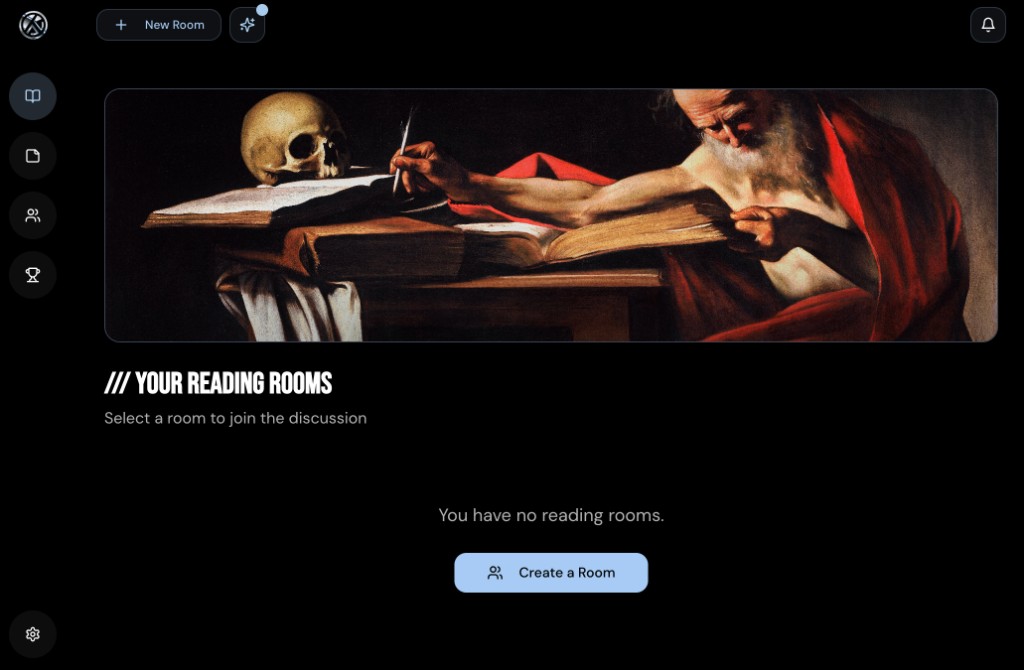
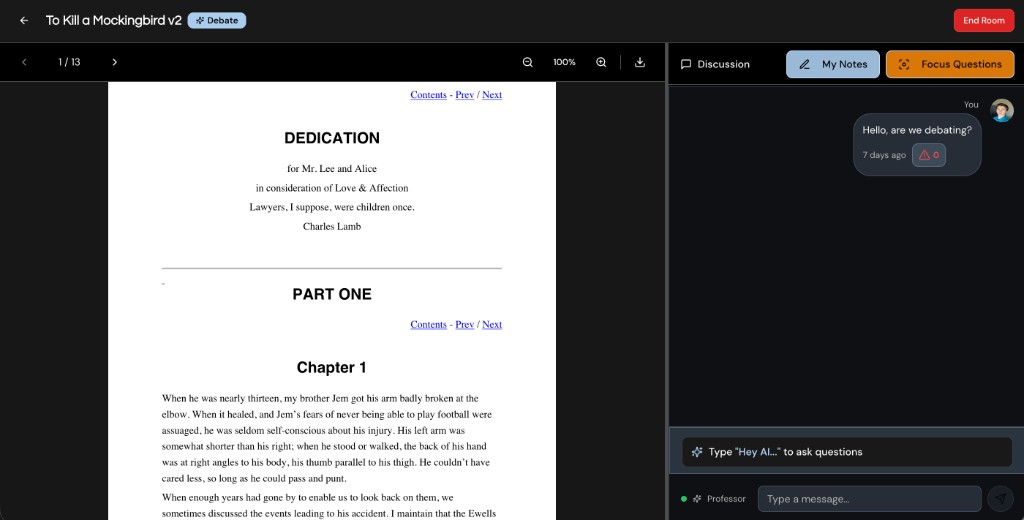
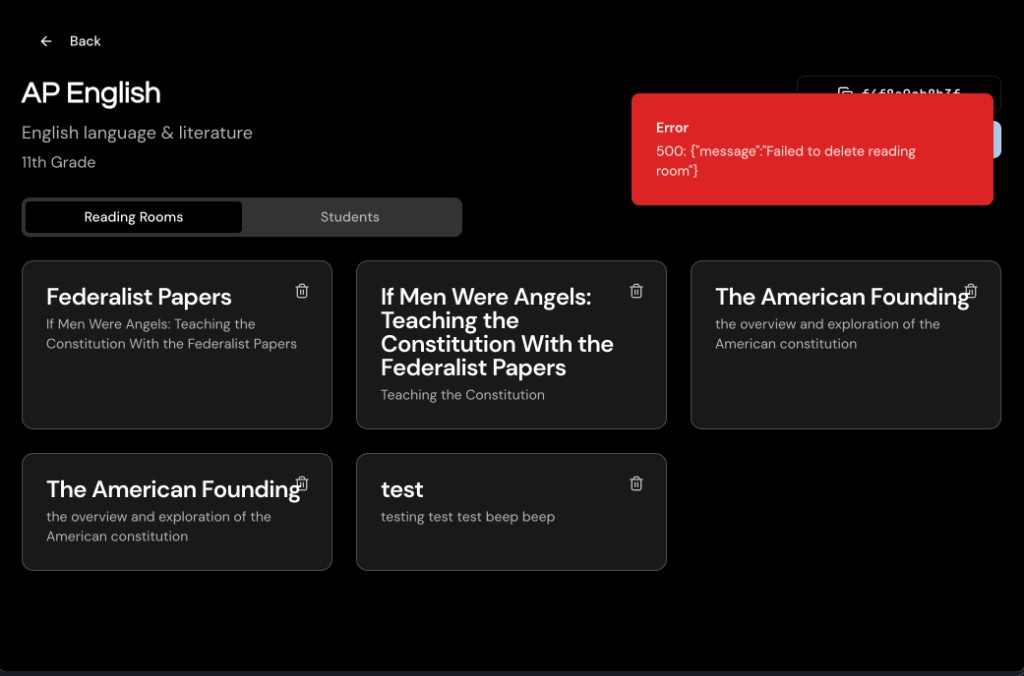
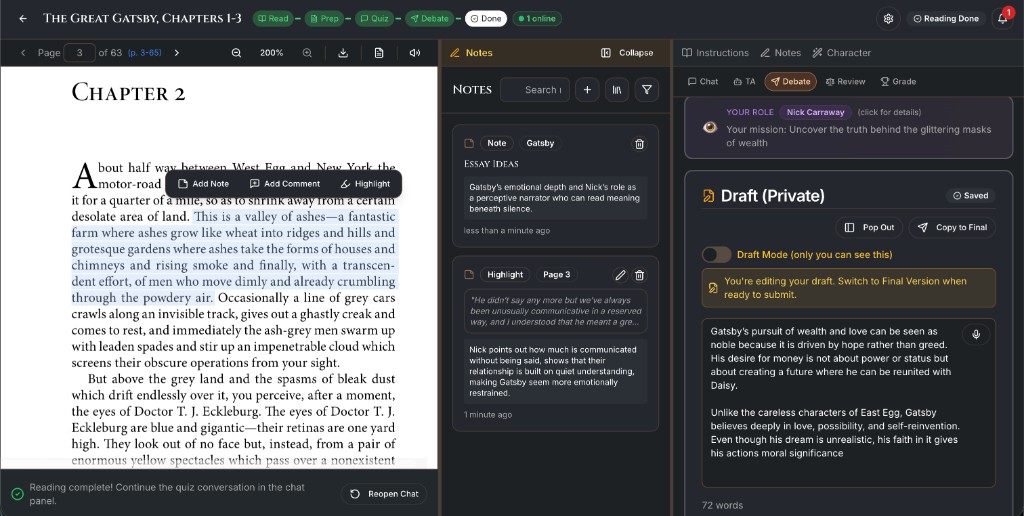
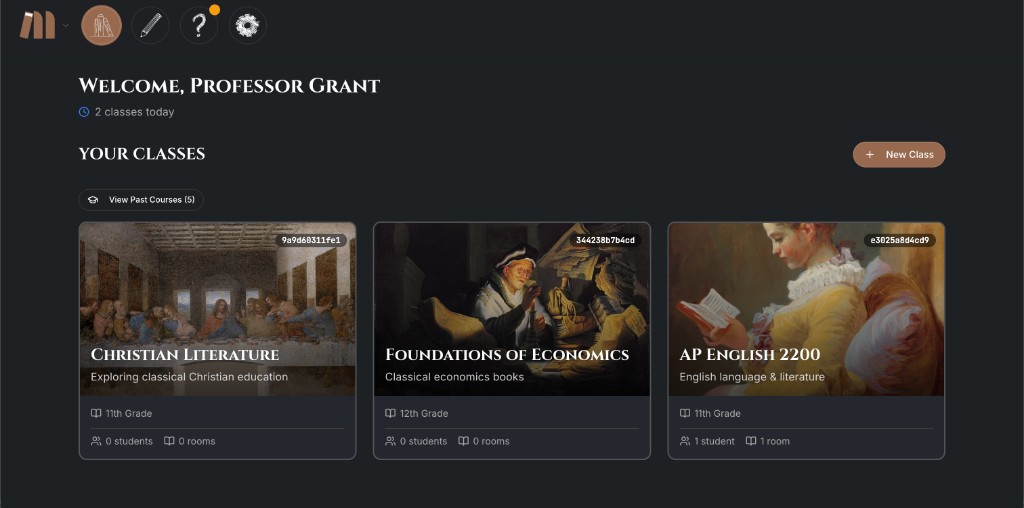
Two years of small, mostly invisible decisions. Each one made the next one possible.
Reading Rooms is a complete high-school English Language Arts curriculum for homeschools, micro-schools, and co-ops. It delivers a full ELA course while preparing students for the SAT and AP English exams, through real scholarship and deep reading. Students slow down with great books. They learn to notice how a writer chooses words, builds rhythm, makes arguments, shapes ideas. They build evidence-based essays. They develop logic, creativity, and moral seriousness that AI cannot replicate.
What we believe.
Great books are essential, not optional.
They stretch the mind and shape character in ways nothing else can.
Parents should feel equipped, not overwhelmed.
Our courses are asynchronous and flexible so families stay in control.
In the age of AI, depth becomes a competitive advantage.
The students who stand out will think clearly when everyone else asks the machine.
If you want your student to read deeply, write powerfully, and develop the kind of thinking that lasts far beyond schoolwork, we’d be honored to help.